




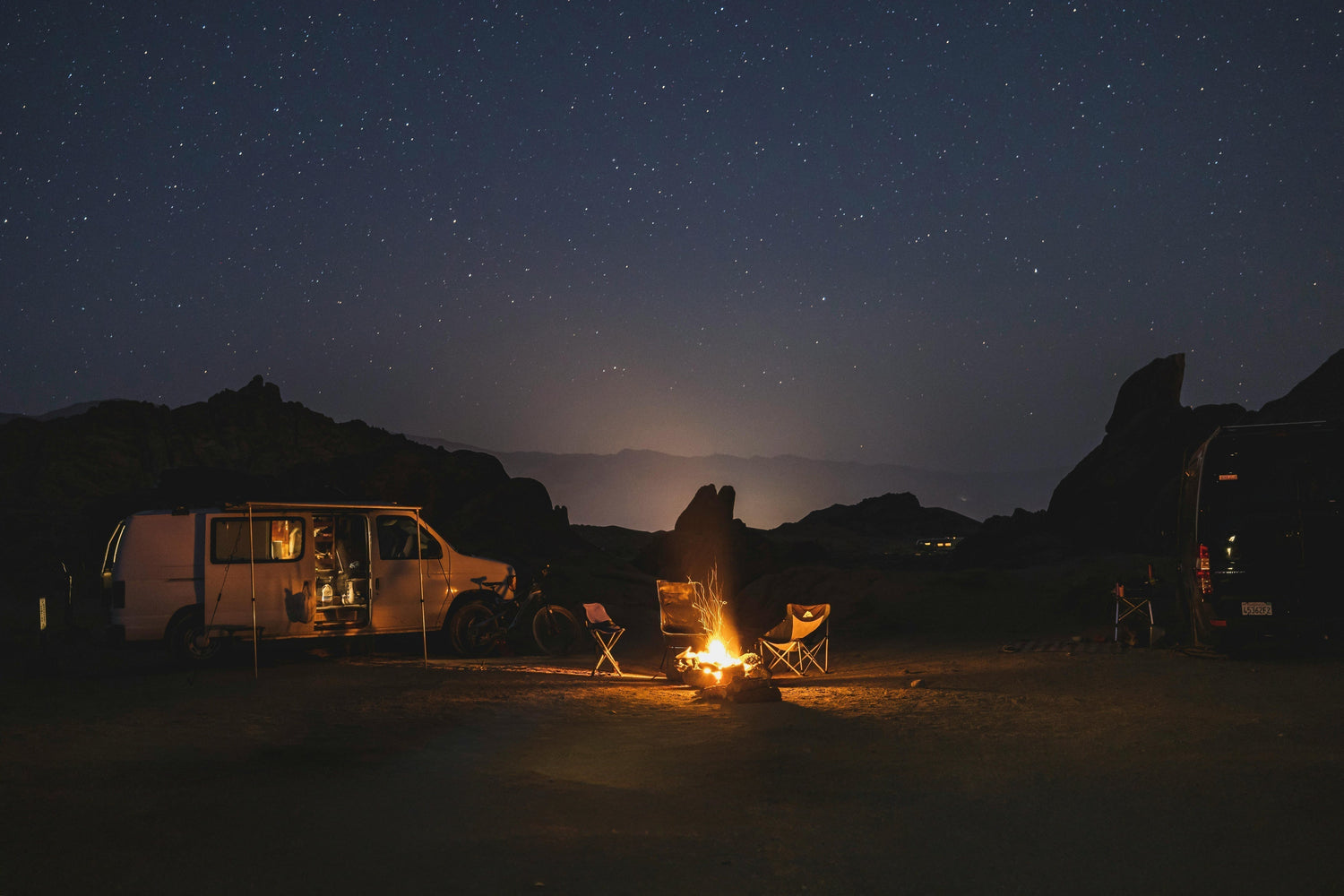
Ollaan rehellisiä.
Jos olet uusi autotelttailussa,
olet kuvitellut tämän.
Kello on 2 yöllä.
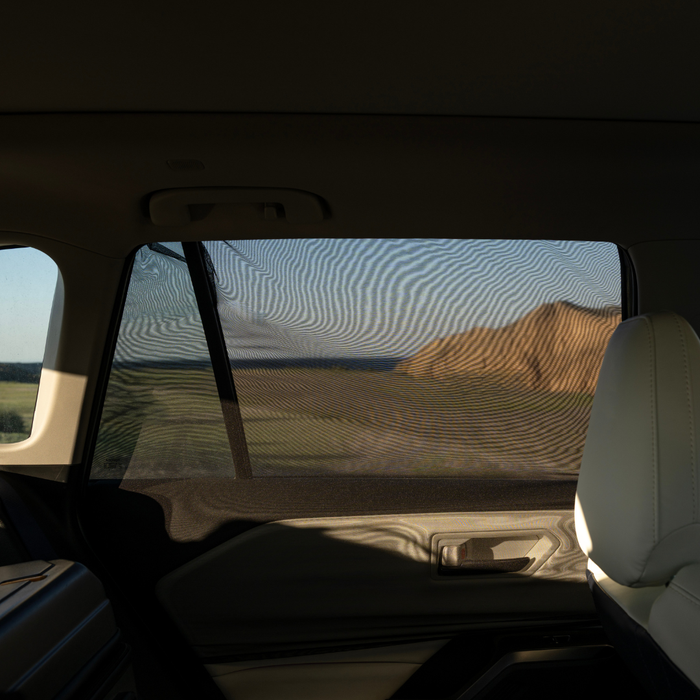
Olet pysäköity epäilyttävälle alueelle.
Yhtäkkiä — koputus ikkunassasi.
Tai pahempaa.
Ei lainkaan koputusta.
Vain se epämukava tunne ulkona.

Loistavan autotelttailukokemuksen ei pitäisi olla stressaava.
Nukkuaksesi hyvin ja nauttiaksesi seikkailusta,
tarvitset vain oikeat työkalut.

The Dyrt
Autotelttailun tietosanakirja
Paikkojen kartoittamisessa mikään ei voita The Dyrtiä.
Se auttaa sinua löytämään nopeasti:
-
Ilmaiset leirintäalueet
-
BLM-maa
-
Laillinen yöpysäköinti
-
Aitojen käyttäjien arvostelut


Kaksi ominaisuutta, joihin vannoutuneesti luotan
1. Matkapuhelinverkon kattavuuskartat
Tunne signaalisi vahvuus
ennen kuin menetät sen.
2. Matkasuunnittelija
Syötä reittisi.
Aseta päivittäiset ajoajat.
Saat älykkäät yöpymispaikat kartoitettuna automaattisesti.

Pikavaroitus
Pro-versio maksaa 59,99 $ vuodessa.
Jos telttailet yli kaksi kertaa vuodessa, se maksaa itsensä takaisin.
Hipcamp
Ulkoilman Airbnb
Jos The Dyrt auttaa sinua kartoittamaan ja selviytymään,
Hipcamp auttaa sinua parantamaan kokemusta.
Varaa välittömästi yksityismaalla:
-
Maatilat
-
Viinitarhat
-
Erämaa-alueet
Vähemmän väkeä.
Enemmän yksityisyyttä.
Parempi uni.
Voittava kaavani
Käytä The Dyrtiä tutkimiseen.
Käytä Hipcampia varmistaaksesi paikan.
Siinä se.

Missä useimmat aloittelijat aliarvioivat kokemuksen
Turvallisen ja laillisen paikan valinta on olennaista.
Mutta kun olet pysäköity,
yön mukavuus riippuu jostain muusta.
Ei näkymä.
Ei sää.
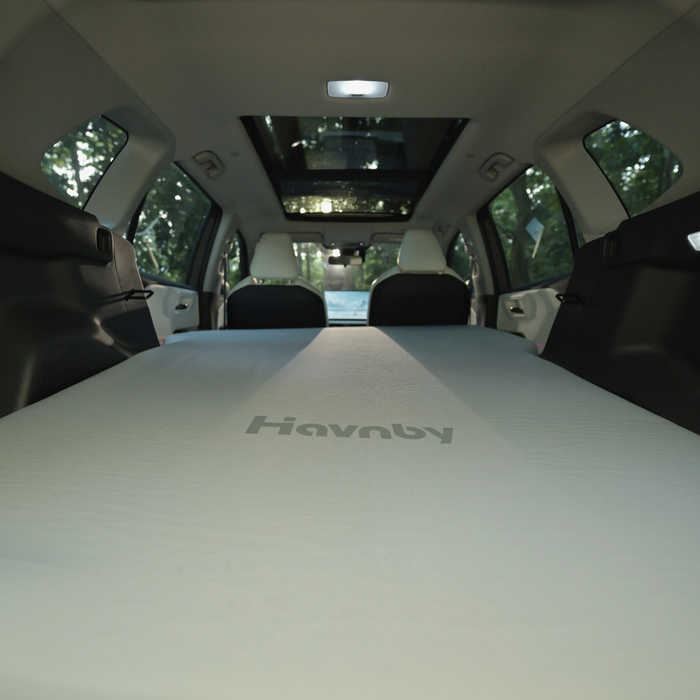
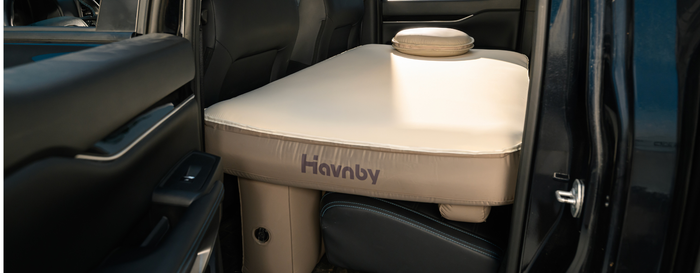
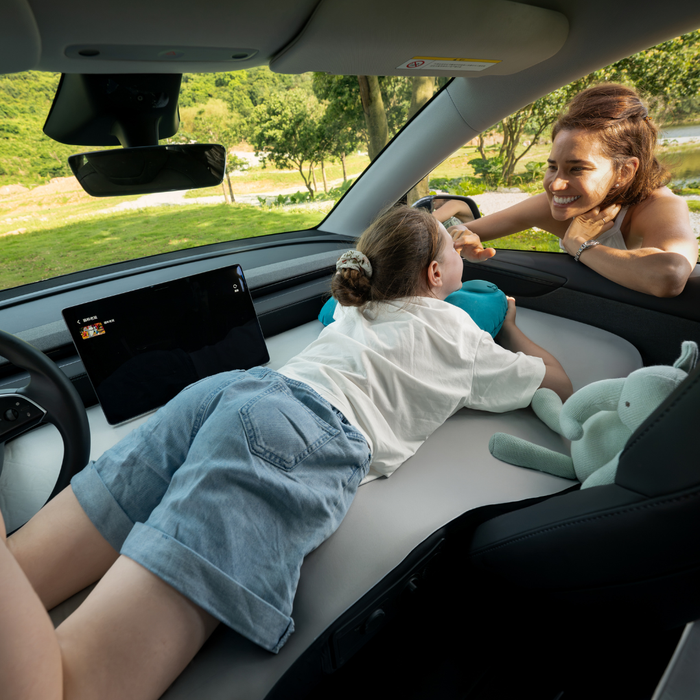
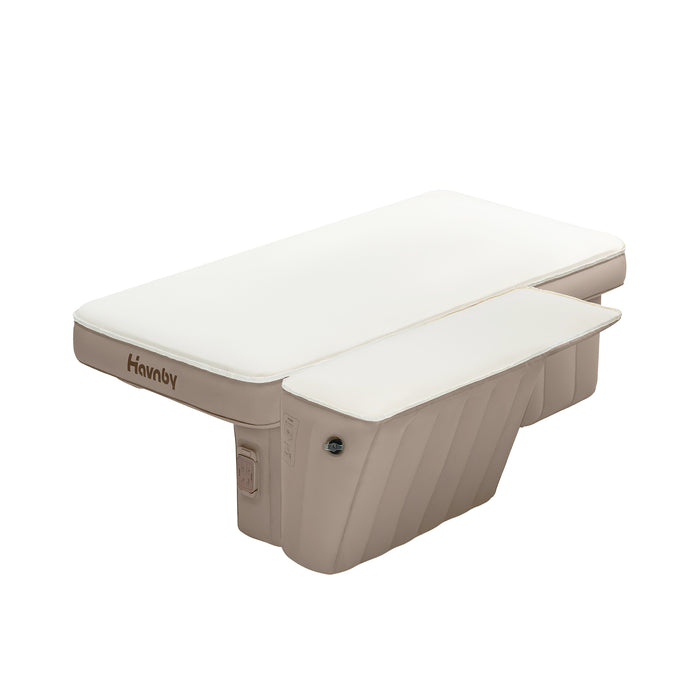
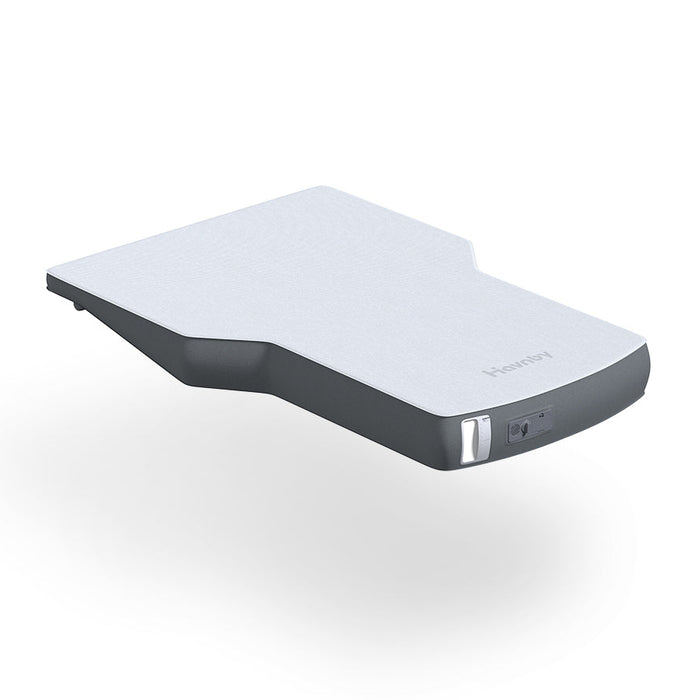
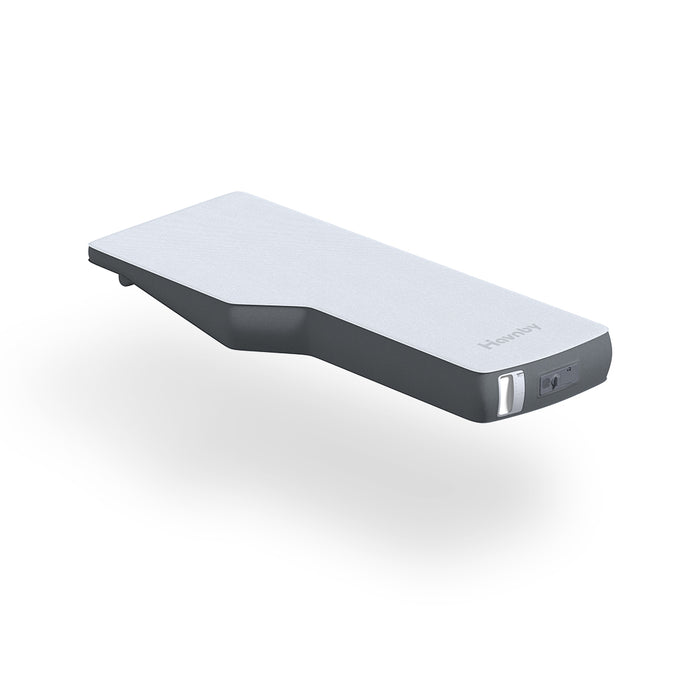
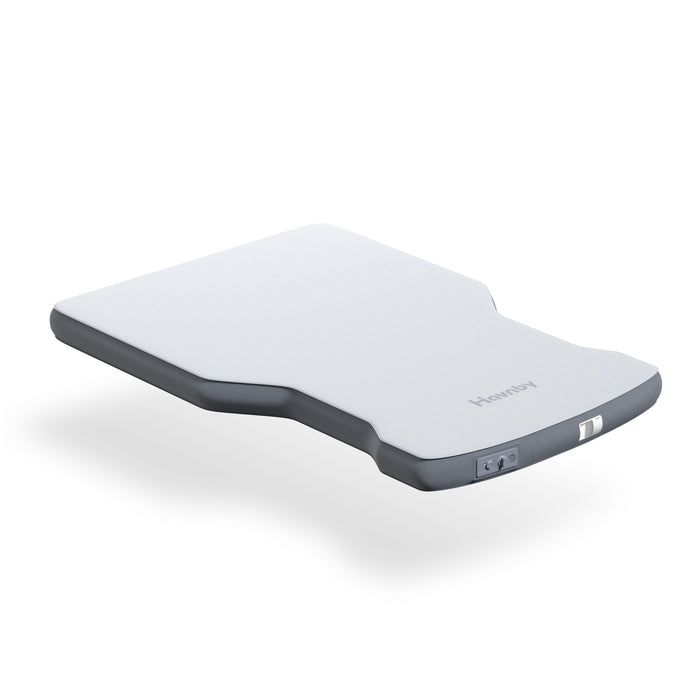
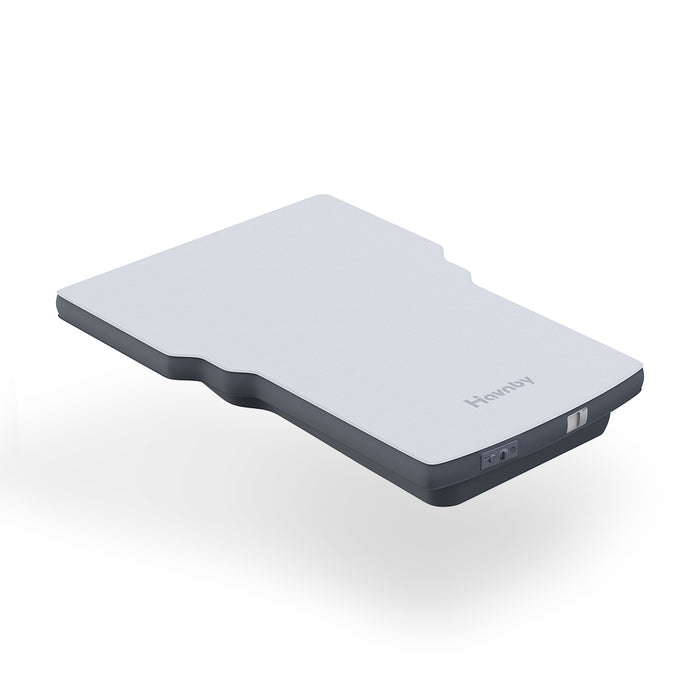
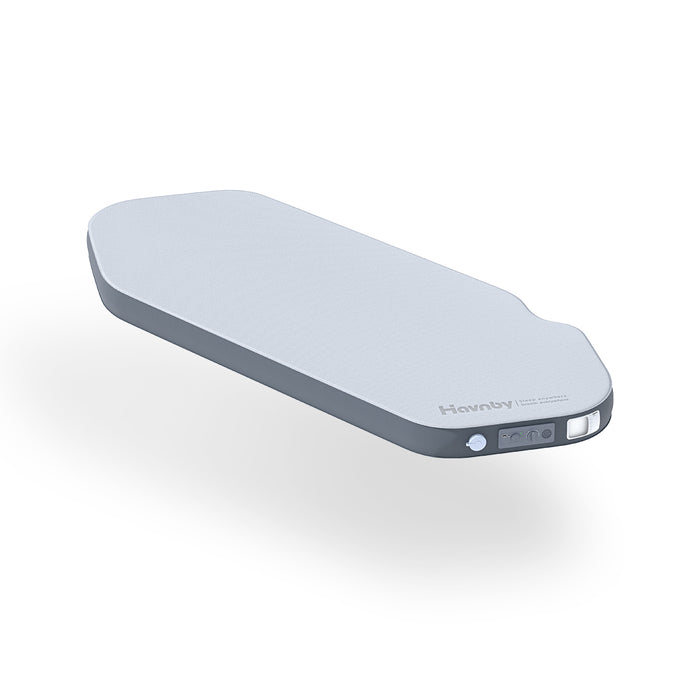
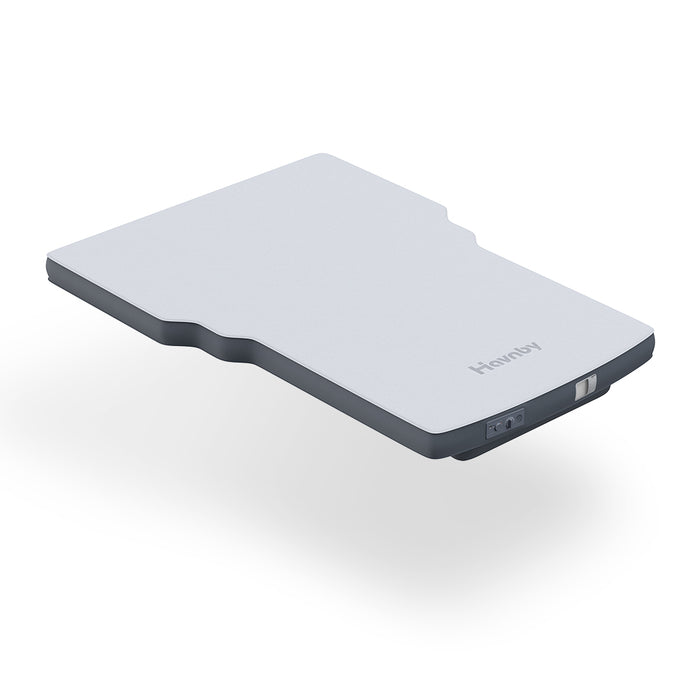
Patjasi.
Ensisilmäyksellä useimmat nukkumisjärjestelyt näyttävät samanlaisilta.
Mutta pinnan alla sisäinen rakenne määrää kaiken —
vakavuus, paineen jakautuminen, melu ja pitkäaikainen mukavuus.
Ymmärtääksemme, miksi jotkut yöt tuntuvat levottomilta
toiset taas tuntuvat vaivattomilta,
meidän täytyy katsoa, miten kukin patjatyyppi on suunniteltu.
1️⃣ Rakenteellinen vakaus

2️⃣ Yön melu ja ilmanpidätys

3️⃣Lämpöeristys (R-arvo)

Molemmille on paikkansa.
Ilmapatjat painottavat kannettavuutta.
Vaahdopatjat painottavat rakenteellista tukea.



Jätä kommentti
Kaikki kommentit tarkistetaan ennen julkaisua.
Tämä sivu on suojattu hCaptcha-tunnistuksella, ja hCaptchan tietosuojakäytäntöjä ja käyttöehtoja sovelletaan.